
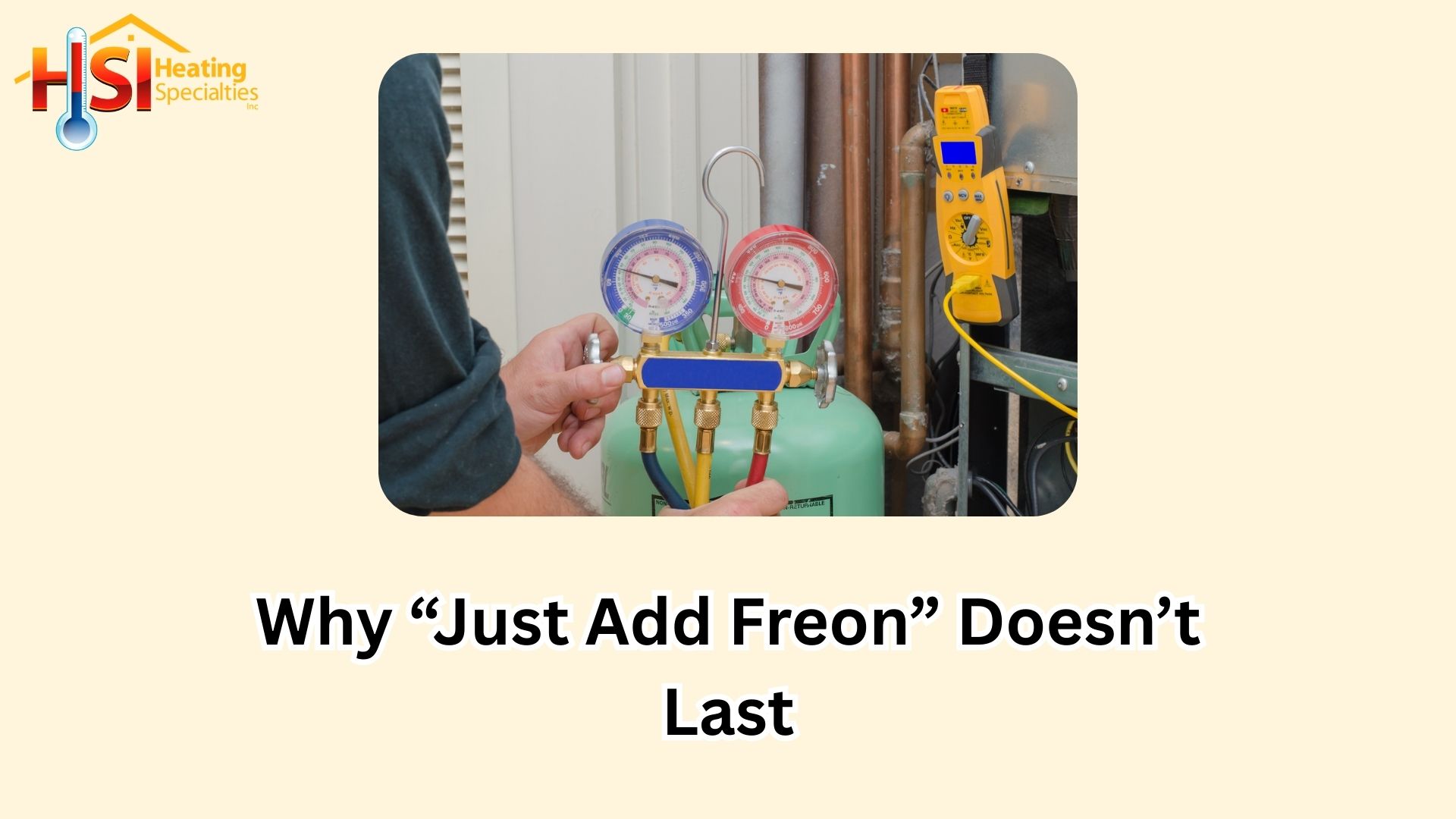
Freon escaping from your HVAC isn’t solved by adding refrigerant; you risk toxic exposure, system damage, and repeat failures-hire certified technicians to perform proper leak repair that restores efficiency and complies with South Jersey regulations.
Key Takeaways:
- Adding refrigerant without repairing leaks only masks the problem and causes repeated service visits and higher long-term costs.
- Refrigerant leaks usually indicate mechanical faults or corrosion that require diagnosis and repair to prevent compressor damage and system failure.
- Escaping refrigerant harms the environment and triggers EPA-handling rules, so proper leak testing, repair, and certified recovery avoid fines and reduce overall expenses.
The Fundamental Flaw of "Topping Off"
Refrigerant doesn’t get “used up” the way gas does in a car. In a properly functioning AC system, the refrigerant charge stays consistent for years. So when a technician sees low pressure or low charge, the correct assumption isn’t “add more”—it’s “find the leak.”
Topping off refrigerant can temporarily improve cooling, but it also hides the warning signs that the system needs real repair. Meanwhile, the leak continues to worsen. Over time, those small losses can turn into major performance issues, and the system may end up short cycling, freezing its coil, or struggling to control humidity.
Why Leaks Get Expensive If You Delay
When refrigerant is low, the system can’t absorb and move heat properly. That forces longer run times and can push the compressor into higher stress conditions. One of the biggest risks is poor oil return—refrigerant helps move lubricant through the system. When charge drops, lubrication can suffer, increasing internal wear.
Homeowners often notice the “slow creep” first: your house takes longer to cool, the air feels clammy, and the unit seems to run constantly. Then you get the bigger symptoms—ice on the evaporator coil, weak airflow, and eventually, a system that stops cooling altogether. At that point, you may be looking at more than just a leak repair.
Environmental Impact and Compliance in South Jersey
Beyond comfort and equipment wear, refrigerant leaks matter because refrigerants are regulated substances. Certified handling is required for recovery and recharging. That’s why reputable HVAC companies don’t treat a leak like a simple refill. They treat it like a repair that must be confirmed, corrected, and documented properly.
Improper handling can also lead to contamination inside the system. If moisture gets introduced during poor service practices, it can cause long-term issues like acid formation and internal corrosion—problems that can shorten the life of the compressor and other components.
ctus nec ullamcorper mattis, pulvinar dapibus leo.
Common Refrigerant Leak Sources in Local Systems
In South Jersey, leaks most often show up in a few places as systems age. Evaporator coils are a frequent culprit because they’re exposed to moisture and can develop pinhole corrosion over time. You may never “see” the leak, but you’ll feel it through rising humidity and weaker cooling.
Line set leaks are also common around joints and fittings. Vibration, seasonal expansion and contraction, and normal wear can loosen connections or create small cracks at brazed joints. Another overlooked source is the service valve area—tiny leaks at Schrader cores can slowly drop the system charge over weeks or months.
If you’ve had to “top off” more than once, that’s a strong signal you’re dealing with a real leak—not a one-time low charge.
How Professionals Find Leaks (and Why It Matters)
Leak detection isn’t guesswork. A proper diagnostic usually combines tools and confirmation methods, depending on how quickly the system is losing charge.
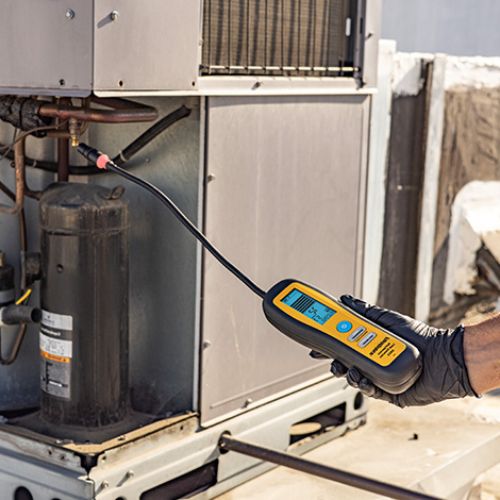
Electronic leak detectors can identify extremely small leaks by sensing refrigerant in the air. UV dye can help confirm tiny leaks that are hard to spot visually. In cases where the leak is intermittent or very slow, nitrogen pressure testing helps verify whether the system can hold pressure over time.
The point is simple: if you don’t confirm the leak location and integrity after repair, you’re not fixing the problem—you’re postponing it.
What a Proper Leak Repair Process Looks Like
A real refrigerant leak repair is more than “add refrigerant.” It typically includes:
finding and confirming the leak
repairing or replacing the failing component
recovering refrigerant safely (as needed)
evacuating the system to remove moisture and air
performing a vacuum/hold test to verify it’s sealed
recharging by manufacturer specification (by weight)
testing performance (superheat/subcooling, pressures, temps)
That process is what restores reliability and prevents you from paying repeatedly for the same issue.
When Repair Might Not Be the Smart Move
If your system uses older refrigerants like R-22, leak repairs can become more expensive over time because the refrigerant is harder to source and costs more. In those cases, your decision should consider the age of the unit, the size/location of the leak, and whether the system has already had repeated leak-related service.
Sometimes a permanent fix means replacing a coil or considering system replacement if the unit is near the end of its lifespan. The best technicians will explain that clearly, instead of pushing a refill or skipping testing.
To Wrap Up
In South Jersey, refrigerant doesn’t “run out.” If your AC is low, it’s almost always because there’s a leak somewhere in the sealed circuit. That’s why “just adding Freon” doesn’t last—it may cool temporarily, but it doesn’t stop the leak, it increases operating costs, and it raises the risk of compressor damage and repeat breakdowns. The lasting solution is professional leak detection, certified recovery, a permanent repair, a verified vacuum/hold test, and a recharge to exact manufacturer specifications.
If you want the job handled the right way the first time, Heating Specialties Inc can help. We perform thorough leak diagnostics, offer straightforward recommendations, and complete repairs using compliant refrigerant handling practices—so you’re not stuck paying for repeated top-offs. For dependable refrigerant leak repair in Bridgeton and South Jersey, schedule service with Heating Specialties Inc and we’ll restore your comfort, efficiency, and peace of mind.

